
Biodynamics


The origins of biodynamic farming
Biodynamic agriculture goes back to Rudolf Steiner (1861-1925). In 1924 he taught the so called “courses for farmers” to 60 farmers in Koberwitz in Germany. In his speeches which lasted six days, he pointed out a holistic view of agriculture and, based on this, recommended methods to improve farming. Since then, these methods have been refined and developed worldwide.
The biodynamic preparations
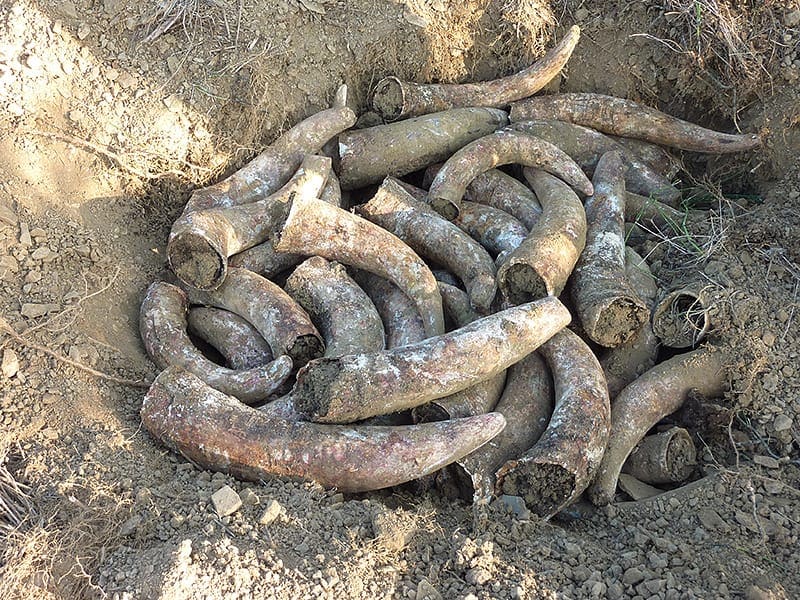
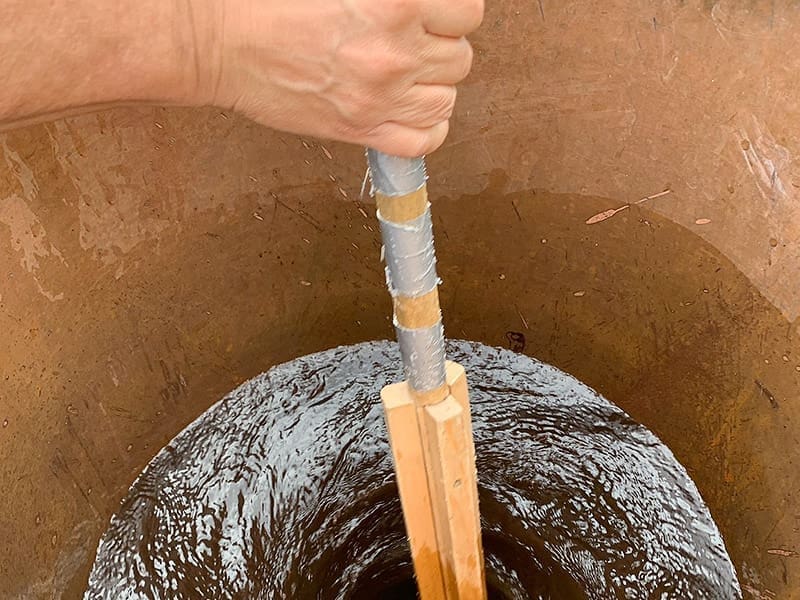
In biodynamic agriculture, two preparations play a very important role: horn manure (known as preparation «500») and horn silica (preparation «501»). The first preparation is made with cow manure packed into cow horns and buried in the earth for several months. Preparation 501 is made in the same way, but with crushed quartz. Throughout the year, these preparations are thoroughly stirred in spring water and sprayed in the vineyard at specific times depending on the position of the moon and planets. We use horn manure twice a year, once in spring before bud break, and again in autumn after the harvest. Horn silica is used as needed by the vine one or more times during the growing cycle. Six other plant-based preparations (preparations 502-507), which we use to improve the maturation process of our compost, are also of great importance.
The results of biodynamics
On our estate, we have worked according to biodynamic principles since 1999, which is to say from the very beginning. And from the beginning, this experience has been very convincing: the soils of our vineyards are very lively, after heavy rains we have no erosion on the slopes, plant diversity in the vineyards is exceptionally high, the root system of the vine and natural flora is very well developed, and our vines always find moisture even during hot, dry summers. In the cellar, the results are just as conclusive: the grapes contain high levels of tannins and acidity, which protects them naturally. The use of oenological products in the wine can thus be banned, and our wines are characterized by minerality and balance.
These results are consistent with the experiences of other fellow winemakers who work seriously in biodynamics. In addition, they are confirmed by scientific studies. Special mention should be made of a 21-year comparative study, the results of which were published in the prestigious scientific journal “Science” (P. Mäder et al. : Soil Fertility and Diversity in Organic Farming, May 31, 2002, vol. 296, p. 1694-1697). The authors conclude that in organic farming, and particularly in biodynamic farming—unlike conventional production—plants find their resources primarily in the soil, and only occasionally require inputs in the form of fertilizers, pesticides, and energy.
For winemakers like us who are searching for terroir wines, biodynamics is the most convincing way to achieve this.